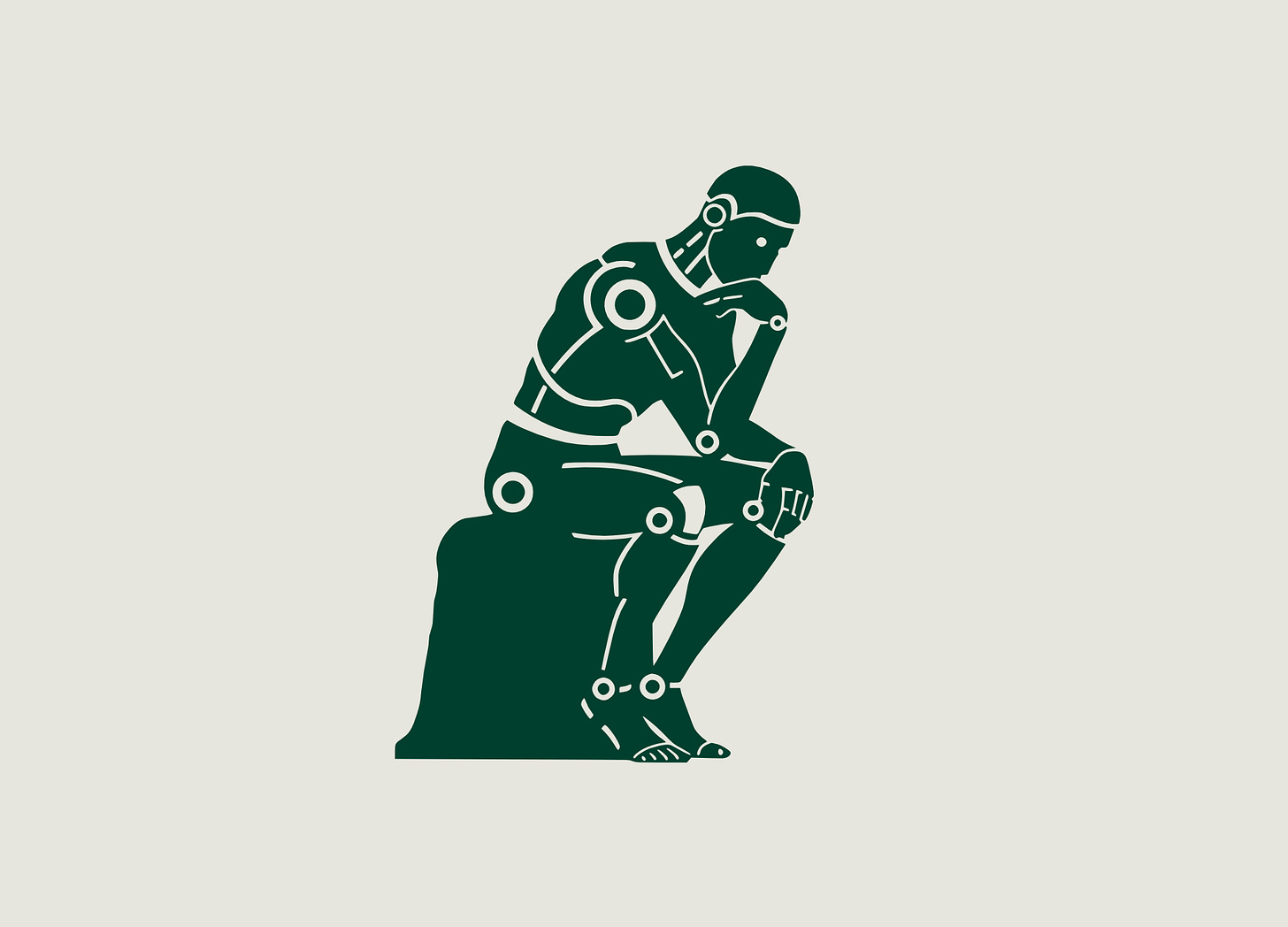
OpenAI's shipmas event concluded with the grand unveiling of o3, a model family designed to outthink and outperform. Skipping o2 due to trademark tangles with British telecom giant O2, o3 and its counterpart, o3-mini, emerge as successors to the o1 reasoning model.
While o1 introduced reasoning capabilities, o3 refines and amplifies them. These models aren't widely accessible yet, reserved for safety researchers who brave the preview launch. OpenAI's cautious approach aligns with CEO Sam Altman's vision of a federal testing framework to oversee the deployment of such potent technologies (though implementation of this in 2025 feels unlikely).
o3's general availability remains a closely guarded secret, teased to emerge post-January 2025.
Inside the machine
At the heart of o3 lies an enhanced reasoning mechanism. Unlike conventional AI, o3 engages in self-verification, fact-checking its responses to minimize errors that often plague lesser models. This introspective process, however, introduces latency. o3 takes seconds to minutes longer to deliver answers, a trade-off for increased reliability in complex domains like physics, science, and mathematics.
o3's architecture, like o1’s before it, incorporates a "private chain of thought," allowing it to deliberate and strategize before responding. Given a prompt, o3 doesn't rush. It pauses, explores related queries, and meticulously crafts its reasoning pathway. This method culminates in a summarized, accurate response, a testament to its advanced cognitive framework.
A standout feature of o3 is its adjustable reasoning time. Users can set the model to low, medium, or high thinking time. More time equates to deeper analysis and superior performance, providing flexibility based on task complexity and required precision.