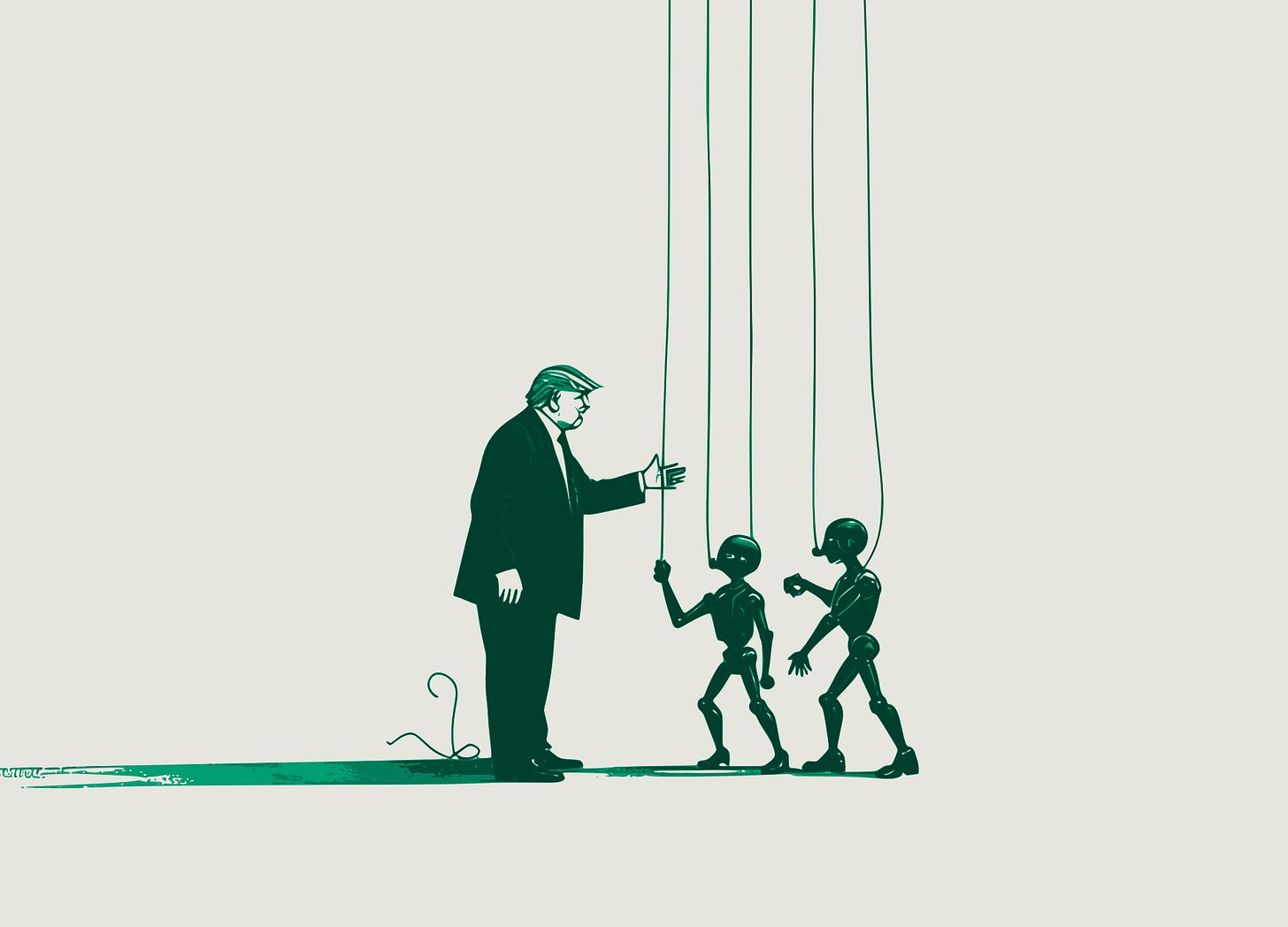
Donald Trump’s upcoming second presidency is stirring debate within the tech industry, particularly concerning the administration’s approach AI and cryptocurrency. While the White House heralds new appointments and claims ambitious initiatives, underlying tensions and power struggles raise questions about the efficacy and direction of these efforts.
Who’s coming to the party and what can we expect?
The newcomers
- David Sacks. Appointed as the AI and Crypto Czar, Sacks brings a strong background in venture capital and a vocal stance on international competition. However, his actual authority and influence within the administration appear limited, sparking skepticism about his capacity to drive meaningful policy changes.
- Michael Kratsios. Returning from the previous Trump administration, Kratsios is positioned as a central figure in daily policy operations. His dominant role may overshadow other appointees, potentially stifling diverse perspectives necessary for balanced AI and crypto strategies.
- Sriram Krishnan. With a notable history at Microsoft, Twitter, and Meta, Krishnan’s addition to the team is intended to bolster product leadership. Nevertheless, his collaboration with Kratsios raises concerns about a concentration of power that could marginalize alternative viewpoints and innovative approaches.
- Elon Musk. Leading the “Department of Government Efficiency,” Musk’s focus on reducing government waste introduces a commercial mindset into governmental operations. This role could prioritize cost-cutting over comprehensive policy development, potentially undermining long-term strategic goals for AI advancement.
The power struggles
David Sacks’s tenure as AI and Crypto Czar is fraught with complications:
- Overshadowed leadership. Despite his high-profile appointment, Sacks finds himself eclipsed by Kratsios, who has brought in Sriram Krishnan to reinforce the administration’s AI initiatives. This dynamic suggests a lack of cohesive leadership, which could hinder effective policy implementation.
- Conflict of interest concerns. Sacks’s decision to maintain his investments with Craft Ventures raises red flags about potential conflicts between his public duties and private interests. This dual role might compromise the integrity of AI and crypto policies, prioritizing personal gain over national interests.
- Divided responsibilities. The administration’s split of Sacks’s responsibilities, with Kratsios handling daily operations and Sacks providing peripheral advice, points to organizational inefficiency. This fragmentation can lead to inconsistent policy execution and unclear accountability within the AI and crypto sectors.