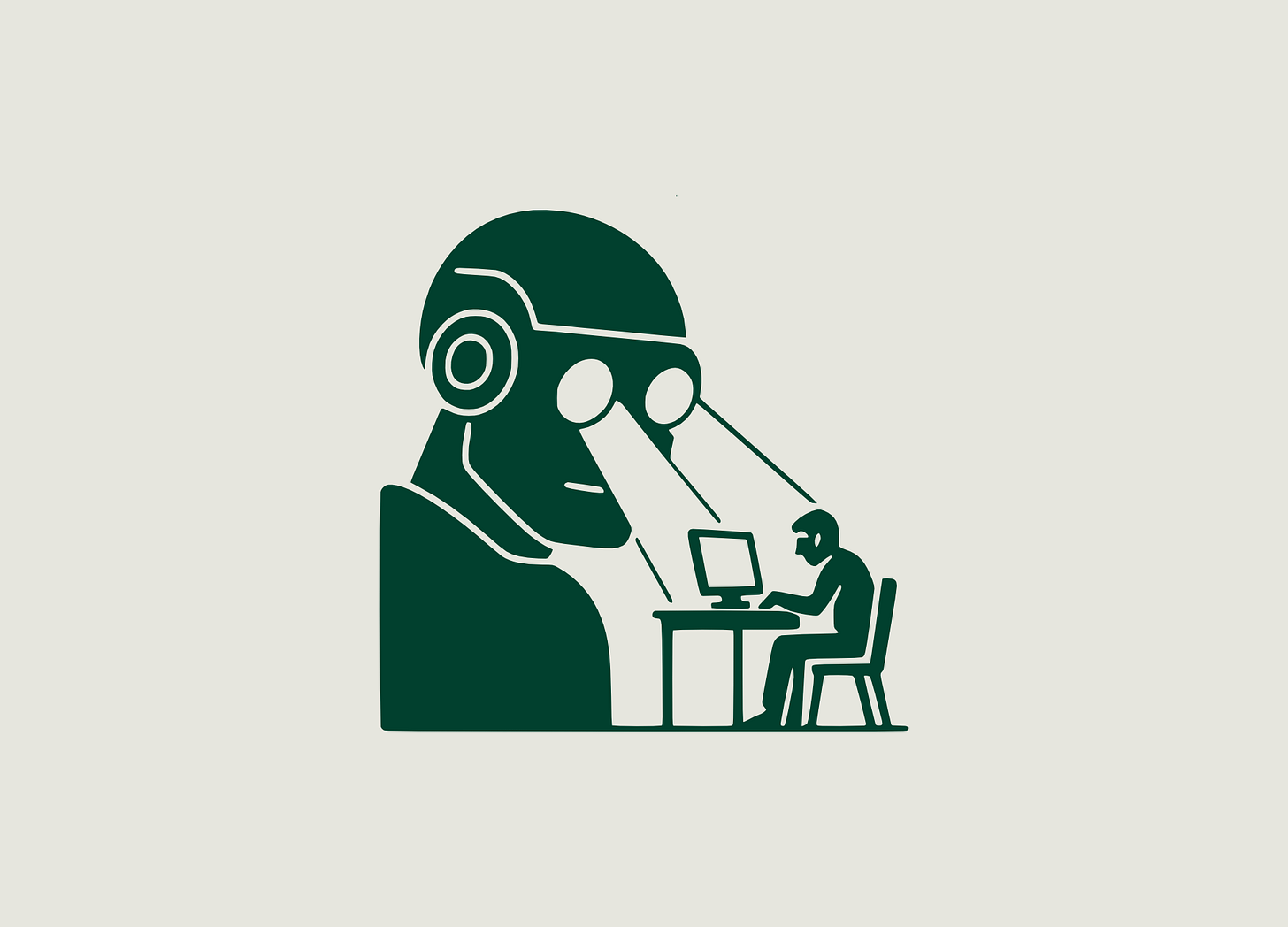
AI excels at pattern extraction and surveillance thrives on patterns. Put the two together and you get a feedback loop of ever-cheaper, ever-wider watching. Governments eye social-control leverage, firms chase ad revenue, and users lose bargaining power. Darrell West calls it “a risky time for AI-based monitoring” because advanced models, cheap sensors, and oceans of brokered data have converged at the worst possible political moment.
Dramatic, but that’s the backdrop for a simple question: can democratic societies reassert control, or are we licensing an all-seeing commercial Panopticon by default?
Snapshot of the surveillance stack
The potential problem here is wide-reaching and full of variety. There is hardly any areas of our day-to-day life that is perfectly prepped for AI surveillance issues-at-large, and these aren’t just theoretical buckets. The beginnings are in place:
- Biometrics. Clearview’s 60 billion-image scrape now seeks federal contracts, turning scraped selfies into training fuel for law-enforcement face searches.
- Domestic cameras. Amazon Ring still ships an AI “Smart Video Search” and a default cloud pipeline (after years of warrant-free police requests that ended only in 2024).
- Public safety rhetoric. A newly installed U.S. attorney wants telecoms to deploy “algorithms” that read every message for grooming cues (and threatens civil suits if they balk).
- Predictive analytics. One-third of U.S. police agencies already use or plan AI-driven predictive tools despite accuracy concerns.
- Workplace monitoring. Employers legally log keystrokes, webcam frames, even emotional tone in many states, no disclosure required.